






Cities are too concreted and insufficiently prepared for extreme weather. This is evidenced by the recurring floods that occur periodically. What can we do to remedy this? People studying at Akademia Techniczno-Artystyczna Nauk Stosowanych w Warszawie (ATA) have developed urban planning concepts for Glucholazy and Klodzko. The item was coordinated by Piotr Kalbarczyk.
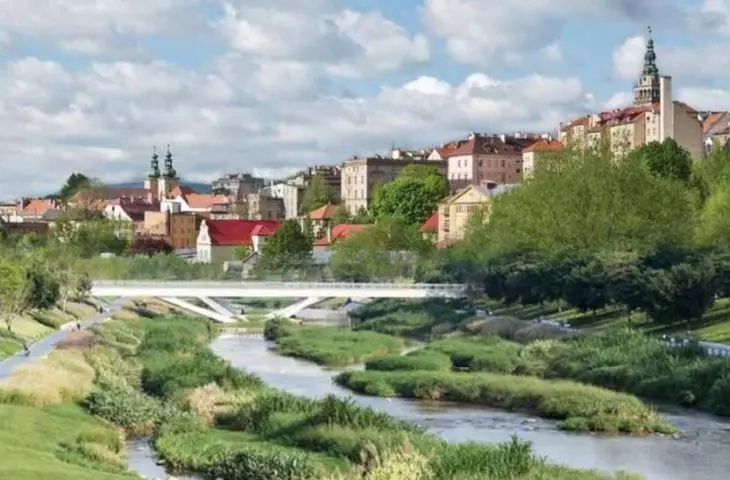
Klodzko, located in the Klodzko Basin, is one of the towns that was particularly badly affected by the 1997 and 2024 floods. Although the latest flood did not cause as many casualties, it still caused a great deal of damage. Their main cause was the flooding of the Nysa Klodzka River.
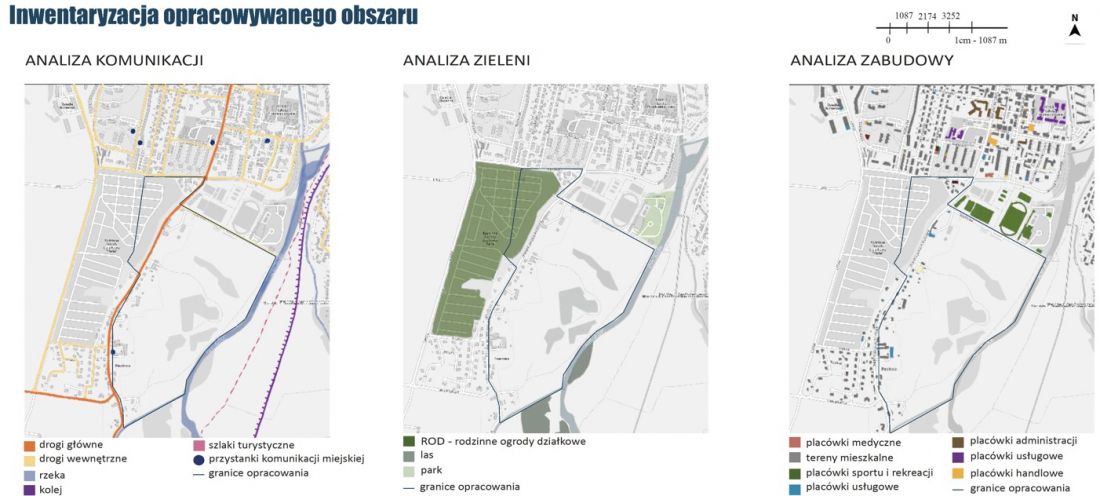
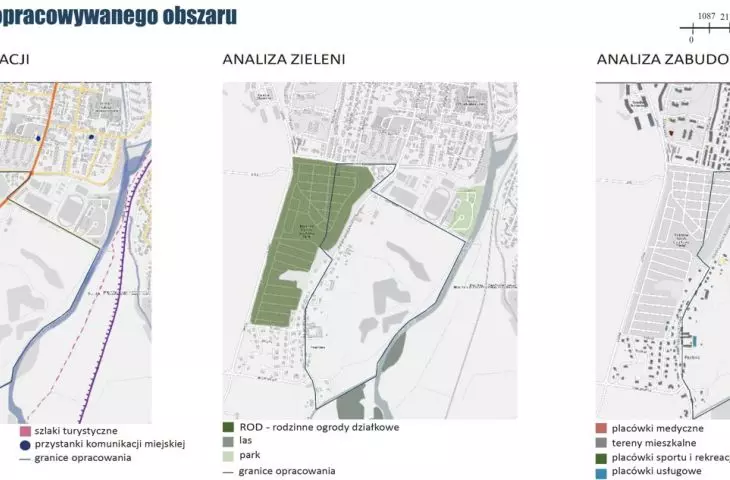
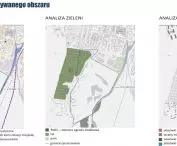
interpretation of the area under development
proj.: Julia Najder, Anna Niedbała
Concrete barriers or permeable surfaces?
Groups of students have prepared four projects with extensive analyses and proposed solutions for Klodzko.
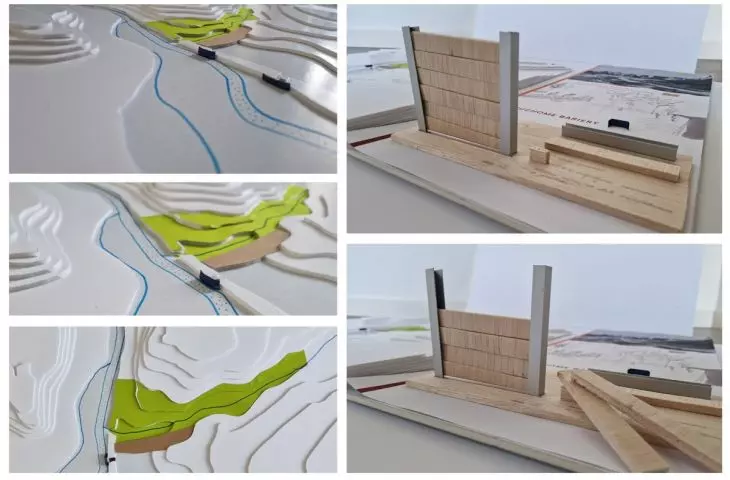
In the work of Magdalena Atkaczunas, Anna Chmielewska and Mariola Kowalska, the focus was on movable barriers that reduce the effects of flooding. The authors' analysis shows that a system of movable blocking barriers is one of the most effective and economically affordable solutions.
The project also proposes the construction of walls and steps, which serve multiple functions. On the one hand, they attract leisure activities along the river, and during floods they act as the first barrier against rising waters.
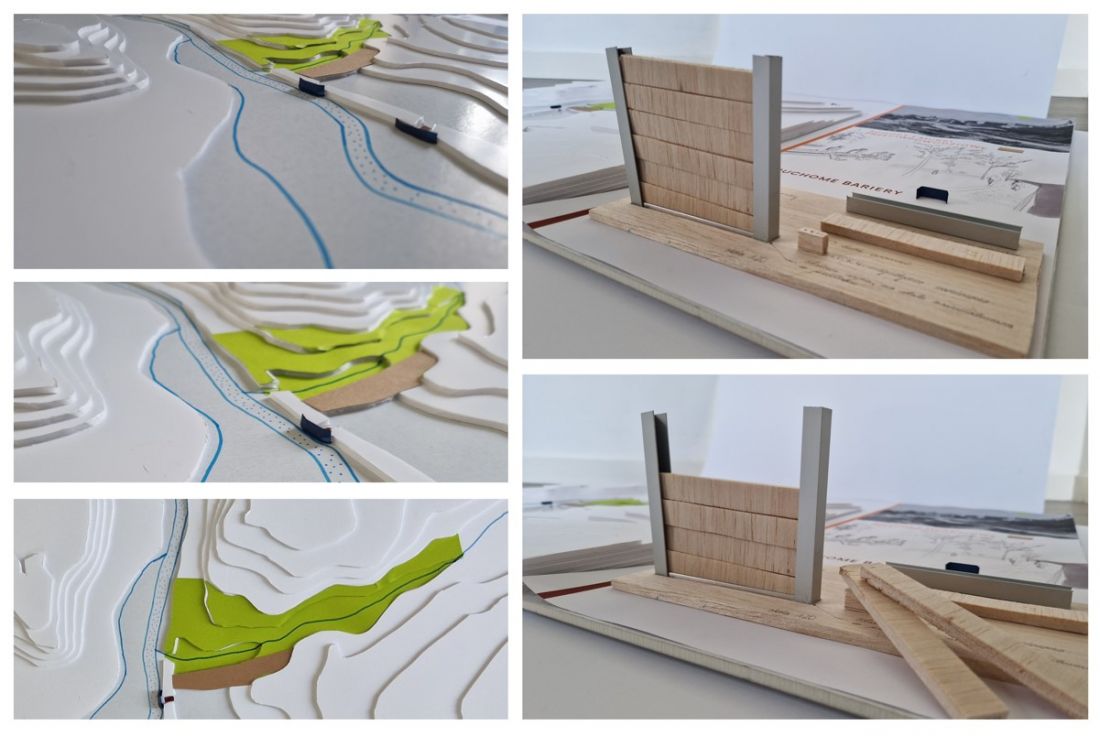
mockups
proj.: Magdalena Atkaczunas, Anna Chmielewska, Marioli Kowalska
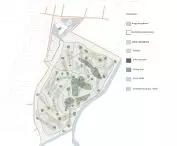
However, the most important treatment proposed by the authors concerns the revitalization of the riverbed and the introduction of the concept of wild gardens. By renaturalizing urban areas, water is absorbed into the soil when excessive downpours occur. In the project, existing parks have been transformed into rain gardens, adapted to high rainfall. It has also been proposed to change the pavement also near single- and multi-family houses to permeable pavement, in a lawn grid formula - the spaces between the grids are filled with soil and sown with grass, so that the pavement visually resembles a lawn, provides permeability while resisting vehicle traffic.
A golf course that collects water
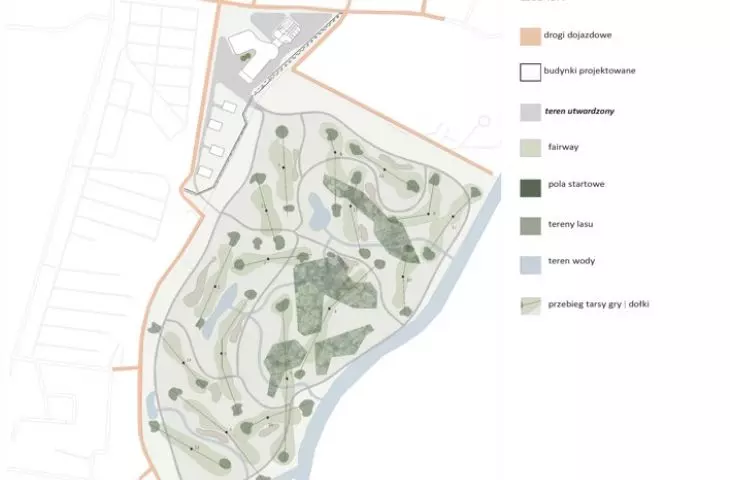
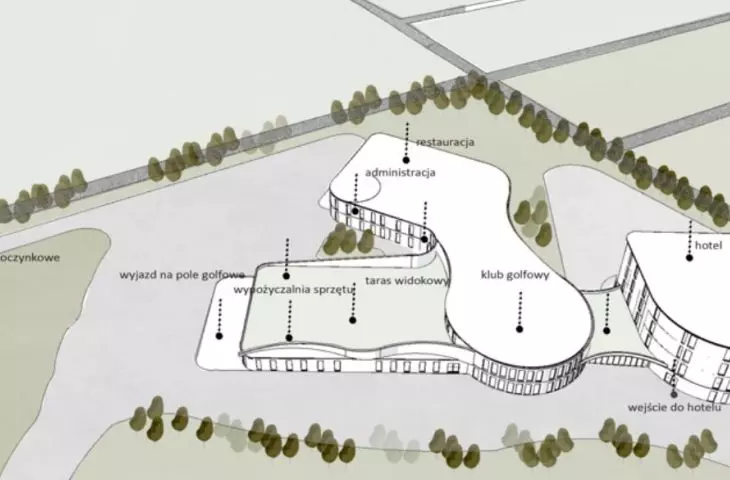
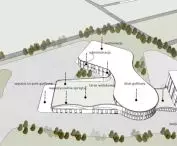
Julia Najder and Anna Niedbała drew attention to the terrain of Klodzko, where water accumulates at the confluence of two rivers - the Klodzka Neisse and a tributary of the Bystrzyca Klodzka. Among their proposed solutions to the flooding problem was a dry retention reservoir, which is not filled with water on a daily basis, but serves as a golf course. During heavy rains, it serves as a reservoir into which excess water is discharged.
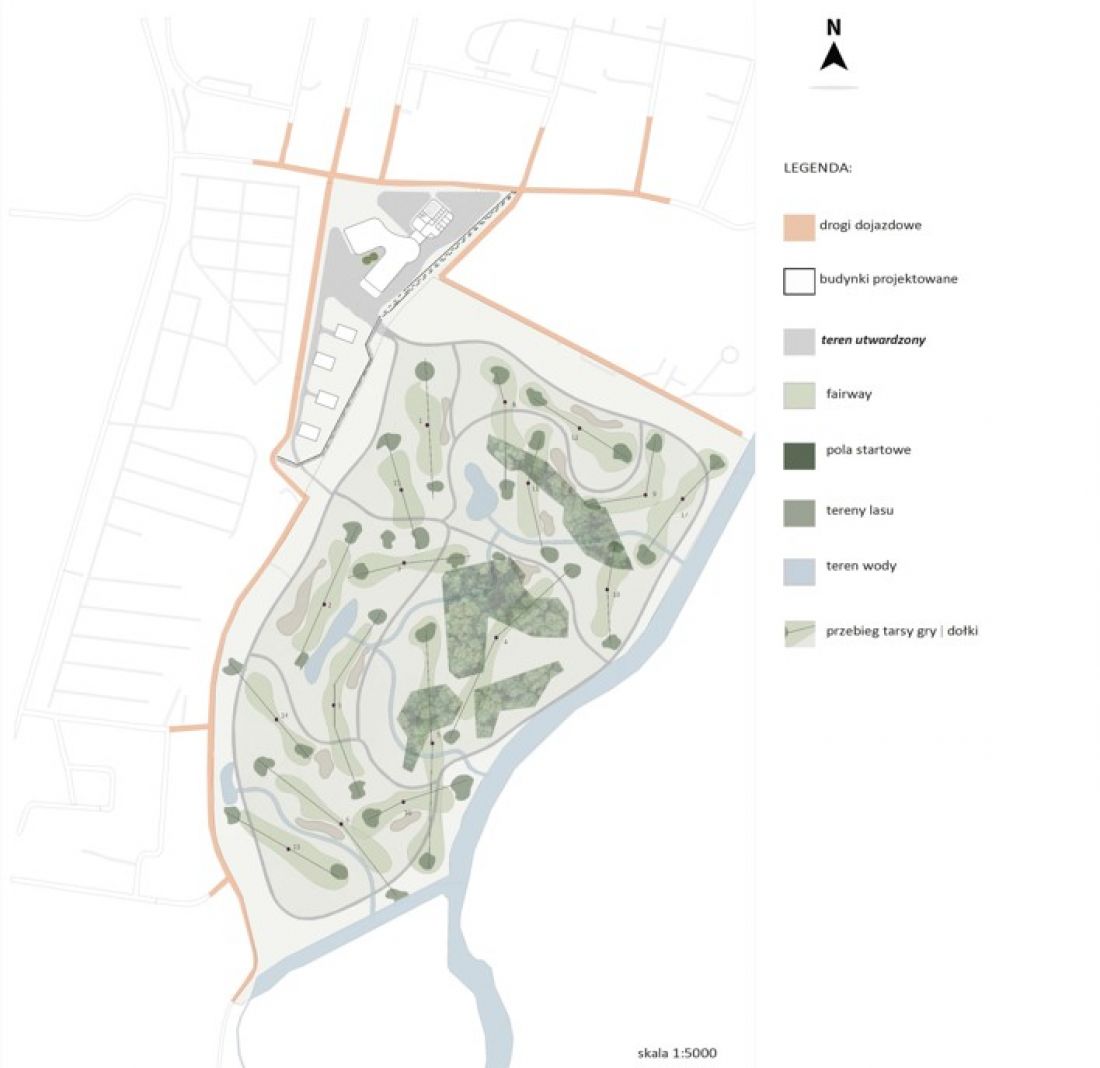
Conceptual projection of the recreational and service complex of the golf course
proj.: Julia Najder, Anna Niedbała
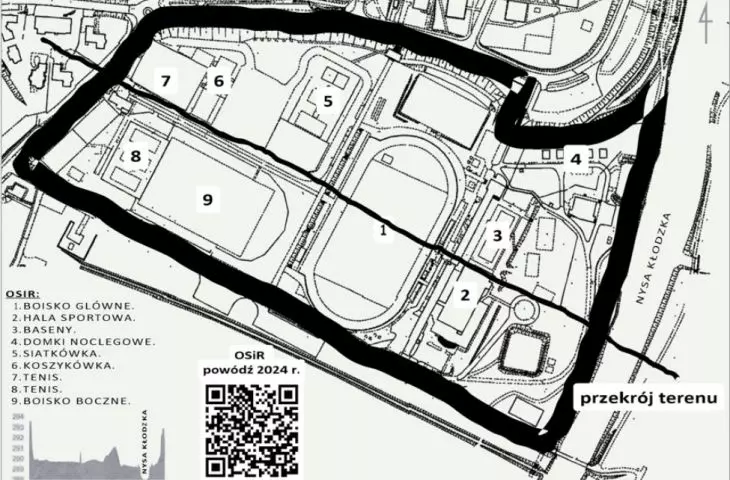
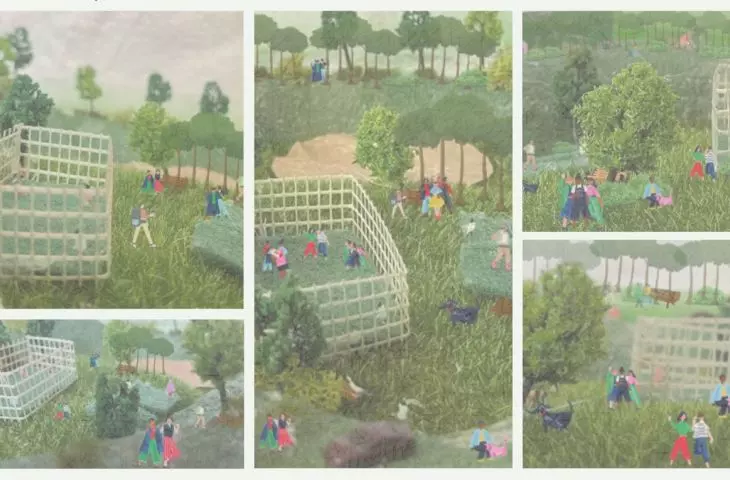
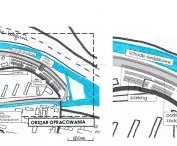
Also the group consisting of: Kamil Blazik, Gabriela Brysiak and Lukasz Lepecki, took up the topic of sports areas. They proposed moving the sports center to a non-floodplain area. Instead, on the site of the former OSIR, there should be landscaped greenery with a possible recreational function and a retention function.
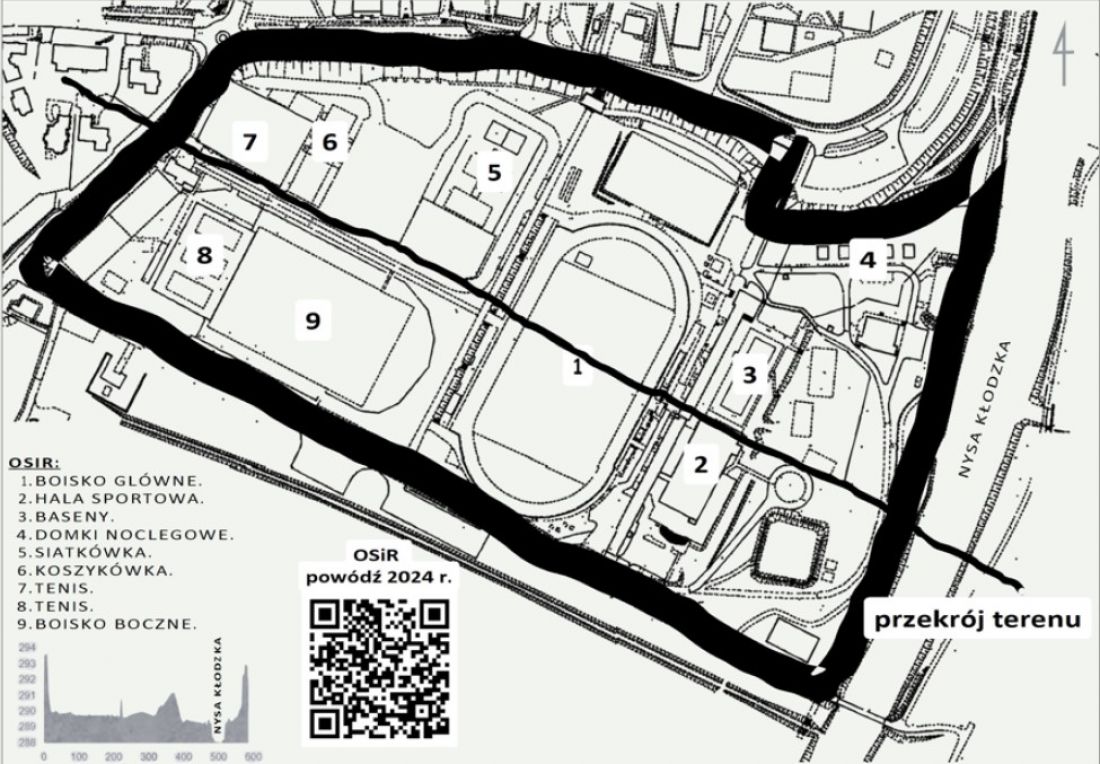
OSIR plan
proj.: : Kamil Błazik, Gabriela Brysiak, Łukasz Łepecki
The group proposed the construction of filter wells to protect sewer systems from clogging, as well as the construction of underground retention tanks, the water from which would then be used to water the city's green areas.
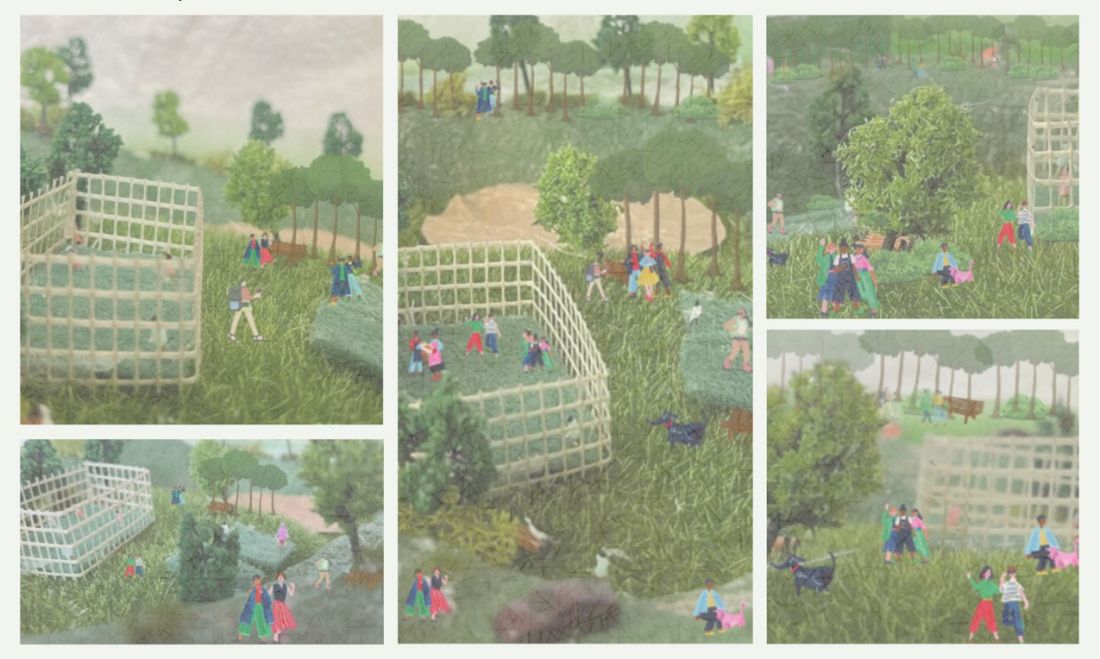
conceptual mockup
proj.: : Kamil Błazik, Gabriela Brysiak, Łukasz Łepecki
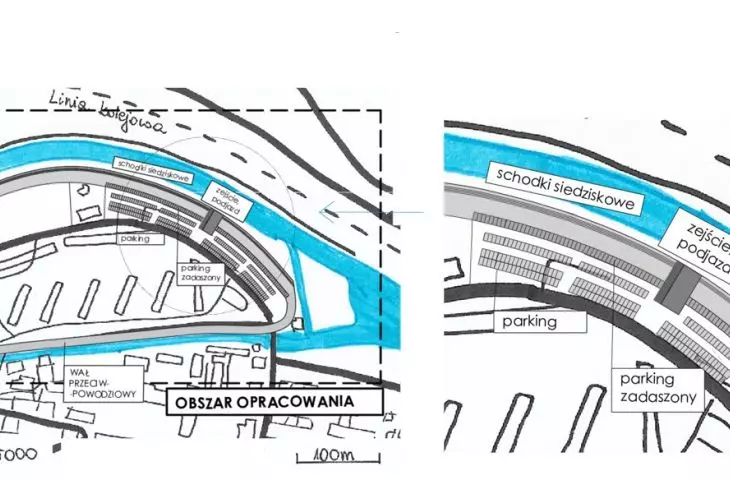
Another solution was designed by Zuzanna Dzierzgowska, Anna Zhurakivska and Angela Smiech. They proposed creating a dike with a retaining wall, running along the Nysa Klodzka River. On the water side, the embankment took the form of a gentle escarpment, making the river a place of rest for the city's residents.
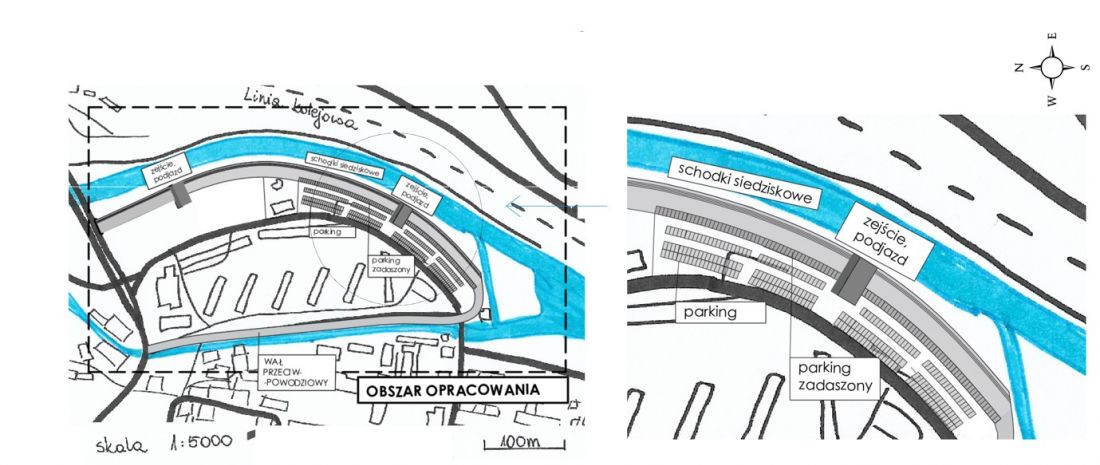
scheme - flood protection dike
designed by: Zuzanna Dzierzgowska, Anna Zhurakivska, Angela Śmiech
The analysis of the most effective urban planning solutions to protect cities from the effects of flooding is extremely necessary due to the extreme weather phenomena we are facing more and more often. The second group of students, taking classes at ATA, developed solutions for another endangered town - Glucholazy. The works could be seen at the "Post-Flood City" exhibition at the university.